Understanding tax compliance is essential for small businesses operating in the Philippines. The Bureau of Internal Revenue (BIR) ensures that businesses follow tax laws through a process called tax mapping, which involves onsite inspections of establishments. These visits are conducted to verify whether a business is properly registered and consistently fulfilling its tax obligations. For many small business owners, these inspections can feel intimidating, but with proper preparation and accurate recordkeeping, they can proceed smoothly and without complications.
Consider the example of Maria, a small grocery store owner in Quezon City. Her store serves the daily needs of people in her neighborhood, selling household items and basic food products. When she first opened her business, Maria made sure to complete the necessary registration with the BIR and obtained her Certificate of Registration (BIR Form 2303). One morning, two BIR officers visit her store as part of a routine tax mapping activity. Because Maria has been diligent in maintaining her business records and complying with tax requirements, the inspection proceeds without difficulty.
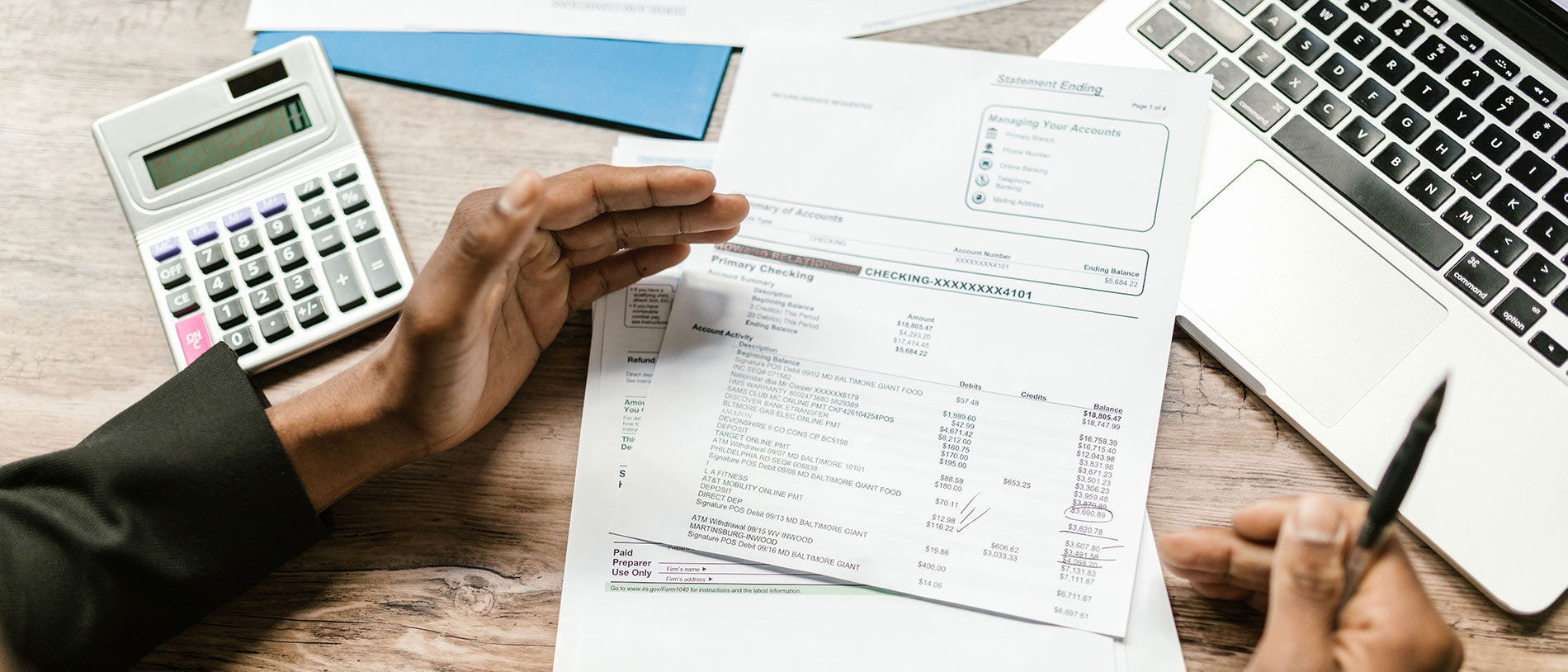
Preparation plays a major role in a successful tax mapping visit. Maria keeps her business records organized and easily accessible. When the officers arrive, she can immediately present important documents such as her Certificate of Registration displayed in the store, her registered books of accounts that record daily sales and expenses, and official receipts and sales invoices issued for every transaction. She also keeps copies of her filed VAT returns, income tax returns, and proof of payment for the annual registration fee through BIR Form 0605. Having these documents readily available demonstrates that her business is operating legally and transparently.
During the inspection, the BIR officers perform several verification procedures. First, they examine Maria’s registered books of accounts to confirm that they are properly registered and that transactions are accurately recorded. They also review a sample of sales transactions to ensure that BIR-authorized official receipts are issued for each sale. In addition, they check whether required notices are visibly displayed in the store, including the Certificate of Registration and the “Ask for Receipt” notice reminding customers to request official receipts. Finally, the officers compare Maria’s sales records with the figures reported in her tax returns to ensure that the information is consistent.
After completing these checks, the officers conclude that Maria’s grocery store is fully compliant with BIR regulations. Her records are accurate, receipts are properly issued, and the required documents are displayed as mandated. Since no violations are found, the officers simply remind her to continue maintaining her books of accounts regularly, issuing official receipts for every transaction, and filing her tax returns on time. Maria’s careful recordkeeping helps her avoid penalties and maintain a positive standing with the Bureau of Internal Revenue.
However, not all businesses are as prepared. Imagine another establishment, Juan’s Electronics Shop, which has been inconsistent in issuing official receipts and maintaining records. During a tax mapping inspection, BIR officers discover several problems, including incomplete sales records, the use of unregistered receipt booklets, and the failure to display the Certificate of Registration. Because of these violations, Juan may be required to pay penalties, correct and update his financial records, and properly register his books of accounts and receipts with the BIR. In more serious situations, the business could even face a formal tax audit or further investigation.
Tax mapping plays an important role in the Philippine tax system because it helps the BIR monitor whether businesses are properly registered and paying the correct taxes. For business owners, these inspections can either be quick and stress-free or complicated and costly depending on how well they manage their records. Businesses that practice accurate bookkeeping, proper documentation, and timely tax filing are far more likely to pass inspections without issues. In contrast, poor recordkeeping and failure to comply with regulations can lead to penalties, additional taxes, and potential legal complications.
For entrepreneurs in Quezon City and across the Philippines, the key to surviving a tax mapping inspection is consistent compliance. By maintaining updated books of accounts, issuing official receipts for every transaction, and filing taxes on time, business owners can ensure that their operations remain legitimate and protected from unnecessary penalties. Ultimately, proper recordkeeping is not just about avoiding problems with the BIR—it is also about building a stable and trustworthy business that can grow confidently in the future.
Reference:
https://www.filepino.com/tax-mapping-in-the-philippines/